Gentle support for dogs with separation anxiety wherever you are.
Fear Free • Science-based • Gentle • Fully Remote
Is this program for me?
- My dog is fine the moment I am home but falls apart the second I leave.
- I haven’t left the house in months because I can’t bear to hear him cry.
- I’ve tried everything I’ve read online, and nothing seems to work.
- I feel like I’m failing my dog, no matter what I try.
- I’ve stopped making plans because I can’t ask anyone to deal with the barking.
- Every time I close the door, the guilt hits me before I even get in the car.
“I just want to know:
does this actually get better?”
Yes, it can get better.
And no, separation anxiety isn’t your fault.
Is this really separation anxiety?
Not sure if this is separation anxiety, or if your dog is just still settling in? It’s a fair question—and a common one.
True separation anxiety isn’t about spite, stubbornness, or your dog “getting back at you.” It’s panic. Your dog isn’t misbehaving when you leave; they’re genuinely afraid of being left alone, even in their own home. Because the fear comes from your departure, what actually helps is very different from traditional obedience training.
It’s also completely normal for a newly adopted dog, or one who has recently gone through a major life change, to need time to adjust. Some unsettled behaviour during the first few weeks is expected and often improves naturally with routine and patience.
However, if it’s been going on for months, seems to be getting worse rather than better, or your dog shows genuine signs of panic (rather than mild whining or frustration), that’s usually a sign that additional support would help.
Either way, you don’t have to figure it out on your own.
Common signs of separation anxiety in dogs
Every dog shows it differently, but these are some of the most common signs.
Vocalisation
Barking, whining or howling that begins shortly after you leave.
Destructive Behaviour
Chewing doors, furniture or window sills, especially near exits.
Stress Signals
Pacing, panting or drooling even when the environment isn’t hot.
House Soiling
Toileting indoors despite previously being reliably house-trained.
Escape Attempts
Trying to escape crates, rooms or even the house itself.
Won’t Settle
Ignoring food, enrichment toys or treats while you’re away.
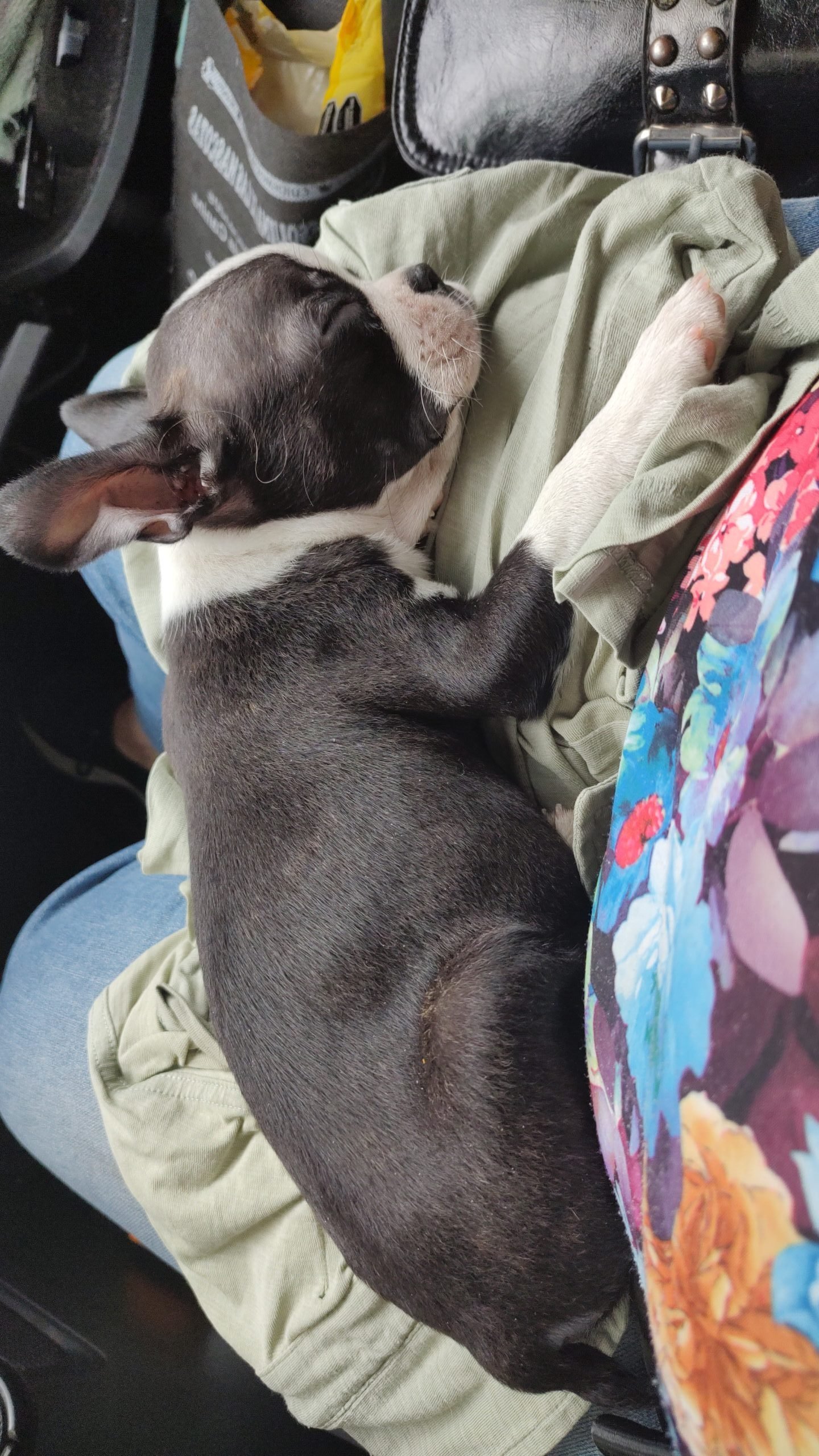
Separation anxiety doesn’t just affect the dog.
It affects your whole life: the trips you stop taking, the friends you stop seeing, the guilt every time you close the front door, and the fear of what your dog might do when you leave the house.
I’ve worked with guardians who hadn’t left their house in months because of it.
Through remote training and a protocol built around your specific dog, we work side by side, in small steps your dog can actually handle, until being alone stops feeling like a crisis.
The goal is simple: training should never create more fear.
As a Certified Separation Anxiety Trainer, every step of the programme is designed to build your dog’s confidence without overwhelming them.
Gentle Progress
I never push your dog beyond what they can comfortably cope with. We build tolerance to being alone through gradual, manageable steps, always monitoring your dog’s emotional state.
A Personalised Plan
Every programme begins with an initial consultation, followed by a customised daily training plan designed specifically for your dog, their behaviour and your lifestyle.
Ongoing Support
You’ll receive regular video reviews, data analysis and weekly check-ins so we can monitor progress, make adjustments and celebrate every success together.
Why more practice wasn’t making it better
Hugo was struggling on two fronts at once: he couldn’t be left alone without escalating into distress, and he couldn’t be walked past another dog without staring, pulling and barking. With the right approach including leash management, safe-space setup and careful management around other dogs, Ugo’s family is no longer guessing. They’re fluent in Hugo.
Read the full story →Everything you need to help your dog feel safe being alone.

Why It Works
- Systematic desensitization
- Always under threshold
- Emotional resilience
- Science-backed
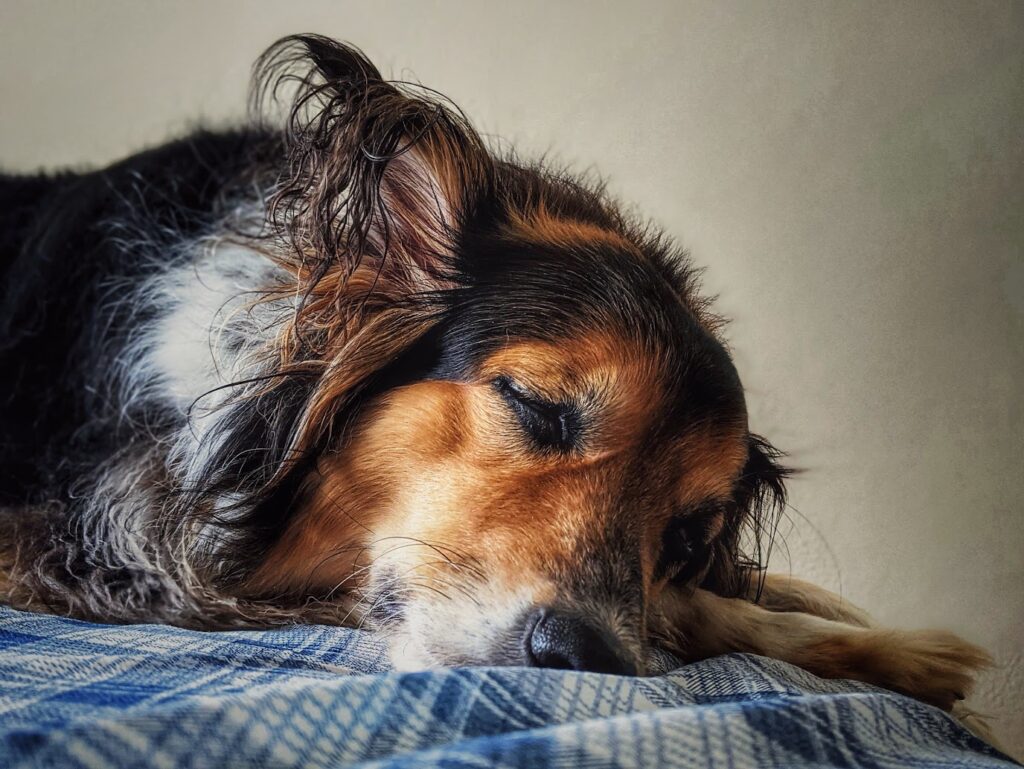
What’s Included
- Initial consultation
- Daily training plans
- Video & data analysis
- Weekly 1:1 meetings

Results You Can Expect
- Calmer alone-time
- Reduced vocalization
- Improved quality of life
- Confidence & relief
What's included
Separation anxiety intensive
Calls
- Initial assessment — 90 minutes
- Weekly reassessment — 20–60+ minutes. I observe a live mission, then time how long your dog can be left alone.
Between-call support
- Daily tailored missions, with feedback the same day, ahead of the next day's mission
- WhatsApp check-ins every 1–2 days
- Response window: working hours only, no replies after 8pm
- Video review: 48-hour turnaround
Deliverables
- Written behavioral plan, built from the assessment and ongoing call feedback
- Shared Google Sheet with daily missions, feedback, and progress videos
What I need from you
- Missions 4x/week, plus 1 weekly reassessment
- Logging observations and relevant life or routine updates during missions
- Reassessment data is recorded by me, not you
Not included
- Severe aggression or level 4–5 bite cases
- Can't start without vet clearance if your dog is unwell
- Same-day emergencies — I'm a trainer, not a vet
- Secondary or unrelated behavior issues (e.g. reactivity) — assessed and priced separately
100% Remote & Stress-Free: All sessions are conducted via Zoom. This allows your dog to stay comfortable at home, prevents triggers, and lets us observe their natural behavior in a real-world setting.
Invest in Your Freedom and Their Peace
I know how hard it is to deal with separation anxiety on your own, and I don't want cost to be the reason you don't get help.
If finances are a concern, please reach out. We'll see if we can find a solution together.
Initial Consultation
A one-on-one session to assess your dog's individual history, triggers and current behaviour, followed by an initial training plan tailored specifically to them.
4-Week Separation Anxiety Intensive
A complete coaching programme including:
- Daily training plans
- Video & data analysis
- Weekly reassessments
- Ongoing support throughout the programme
Single Behaviour Consultation
Perfect if you're already following your own separation anxiety programme but would like professional guidance.
- Second opinion
- Help navigating setbacks
- Support beyond a generic protocol
- Fresh perspective on your training plan
If it's more than separation anxiety
Sometimes what looks like separation anxiety turns out to be part of a bigger picture — general anxiety, fear-based reactivity, or something physical going on with your dog. That's not a reason to worry, and it doesn't mean you're on your own or need to start over somewhere else.
As a Certified Dog Behavior Consultant (CDBC) as well as a Certified Separation Anxiety Trainer, I have the training to recognize when there's more going on and adjust your dog's plan accordingly. If I see signs that point beyond straightforward SA — significant aggression, suspected pain, a dog struggling in multiple ways — I'll tell you plainly, guide you on next steps, and help you understand what your dog needs. And if it looks like a vet or veterinary behaviorist should be part of the picture, I'll flag that too.
You don't need to diagnose your dog before reaching out. That's exactly what the initial assessment is for.




Frequently Asked Questions (FAQ)
Yes. In fact, remote behavior consultations are often safer than in-person sessions for dogs with aggression or severe reactivity, since there’s no unfamiliar person entering their space to trigger a reaction. As a certified dog behavior consultant, I use video review and live guidance to work with you directly, wherever you are.
Training and medication aren’t either/or, they often work best together. I’m not a veterinarian and can’t prescribe medication, but I can help you recognize when a vet or veterinary behaviorist consult may be worth exploring alongside training.
Sometimes pain or an underlying medical issue can drive aggressive or reactive behavior. If that’s a possibility for your dog, I may recommend a vet check alongside training, so we’re addressing the whole picture, not just the behavior.
Every dog is different, especially with aggression or reactivity, but most guardians start seeing real change within the first few weeks of a structured plan. Progress isn’t always a straight line, and that’s normal.
I understand how this can be frustrating because each trainer and behavior expert have a different solution and not all solutions will work for cases of aggression or severe reactivity specifically, and some methods (like dominance-based or punishment-based training) can actually make fear-based behavior worse. I use a certified, science-based, force-free approach built around your dog’s actual triggers, not a generic program
No, and you’re not alone in feeling this way. Many guardians reach out exactly at this point, when things feel unmanageable. Reaching out doesn’t mean you’ve failed, it means you’re looking for another option before making a permanent decision. Let’s talk before you decide anything.
Yes, when there’s a clear plan in place. Part of the initial assessment is understanding exactly what happened and building safety measures, like management strategies, muzzle training if needed, around that specific history.
Yes. A bite history doesn’t mean your dog is beyond help, it means we need a clear safety plan alongside training. I’ll walk you through exactly what that looks like during your initial assessment.
Consultations are available in English, Spanish, Portuguese, and Italian, so language isn’t a barrier to getting help.