Why You Should Never Rush a Sniff Break
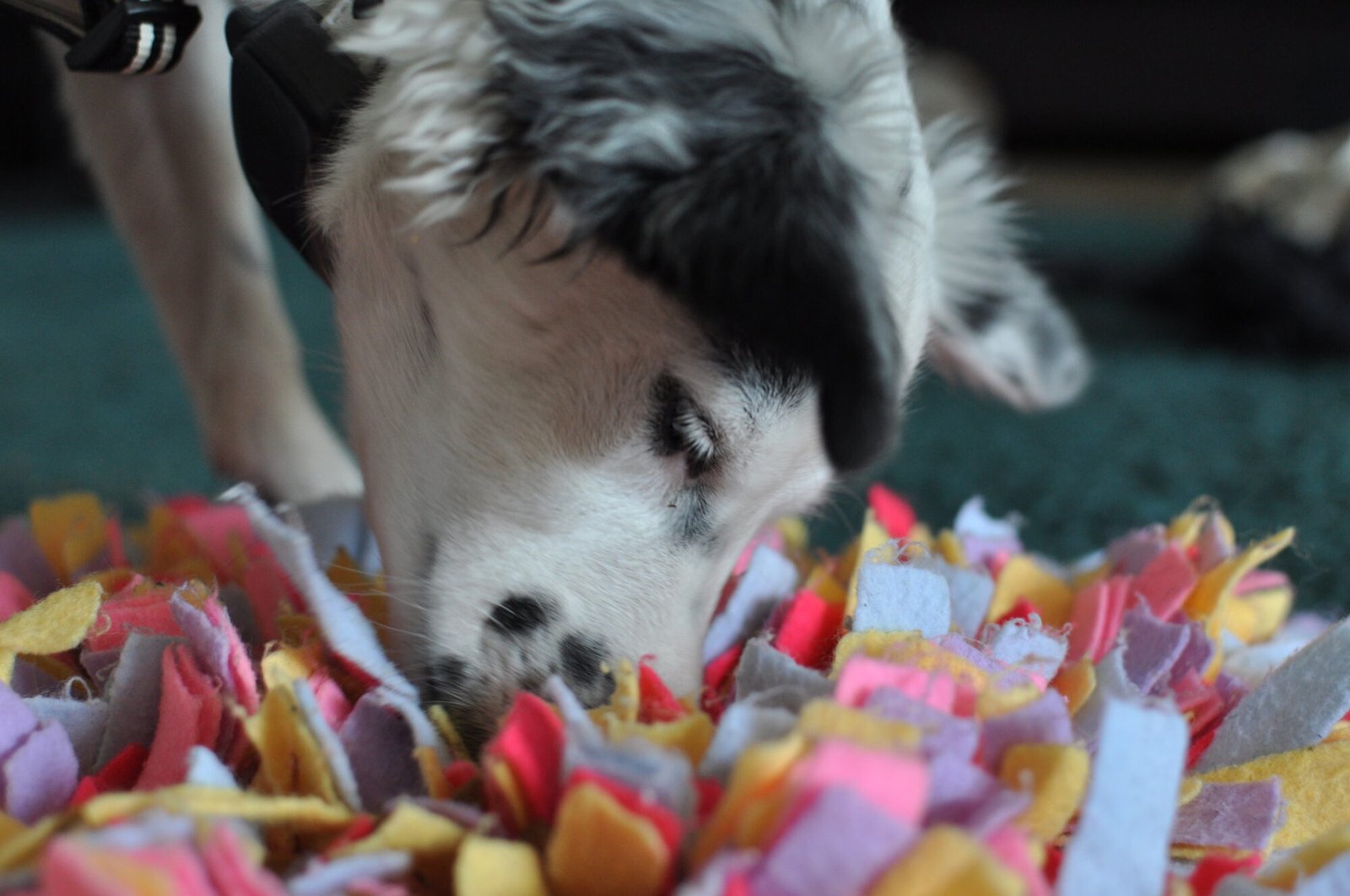
That extra minute your dog spends with their nose in the grass isn’t wasted time — it’s how they think.
Constantly, I see people pulling on their dog’s leash while scrolling their phone, because the dog is “taking too long” to sniff. But why is this wrong? Let’s dig in.
Our dogs are born with a heightened sense of smell, but let me give you a clear picture of what that actually means. Just like us, dogs have a vomeronasal organ — also known as Jacobson’s organ — which plays an important role in detecting chemical signals and communicating with the brain’s emotional centers.
The numbers behind the nose
To give you a sense of scale, here’s what separates a dog’s nose from ours.
scent receptors — a dog can have up to 300 million, compared to roughly 5 million in humans.
larger: the brain region dedicated to processing odors, compared to the same region in a human brain.
of a dog’s brain is dedicated to scent processing.
nostrils that can move on their own, helping a dog pinpoint exactly where a scent is coming from.
This close connection between the nose, the vomeronasal organ, and the brain is one of the reasons scent plays such a central role in dog behavior.
What’s actually happening when your dog stops to sniff
Initially, a dog picks up a scent and follows it. That scent can be fresh — within the last few hours — or weeks old, but there’s some key piece of information your dog has picked up on. It might be about other dogs in the area, local wildlife, a female in heat, dietary information about another dog, or even information about humans. To us, it looks like “just grass.” To your dog, it’s a rich source of social and environmental information.
Sniffing is associated with activation of the brain’s reward system, including dopamine pathways. It also helps a dog relax by reducing cortisol levels, which lets them settle more easily into an environment while making better use of their cognitive abilities. Because the olfactory system is so closely connected to brain regions involved in emotion, sniffing isn’t just about collecting information — it’s also a powerful way for dogs to regulate their emotional state.
For dogs experiencing fear, anxiety, reactivity, or separation anxiety, appropriate opportunities to sniff may help them process their environment from a calmer emotional state.
Sniffing isn’t a treatment for behavior problems on its own — but it’s an important component of good canine welfare and of any solid behavior modification program.
All of this, just for smelling?
Yes. And here’s the trick: we need to let the dog decide when they’ve had enough of a scent. Letting a dog investigate what interests them, with enough time to gather all the information they need, supports their emotional wellbeing, encourages natural behavior, and may even contribute to better decision-making in everyday situations.
They are not wasting time — they are gathering information, regulating themselves, and making sense of their environment in a way we simply cannot. Sometimes, one extra minute spent sniffing is worth more than another minute spent walking.
Work with your dog’s emotions, not against them
If your dog struggles with fear, reactivity, aggression, separation anxiety, or other behavior concerns, I can help you build an evidence-based behavior modification plan built around how your dog actually experiences the world.
Start a behavior modification plan