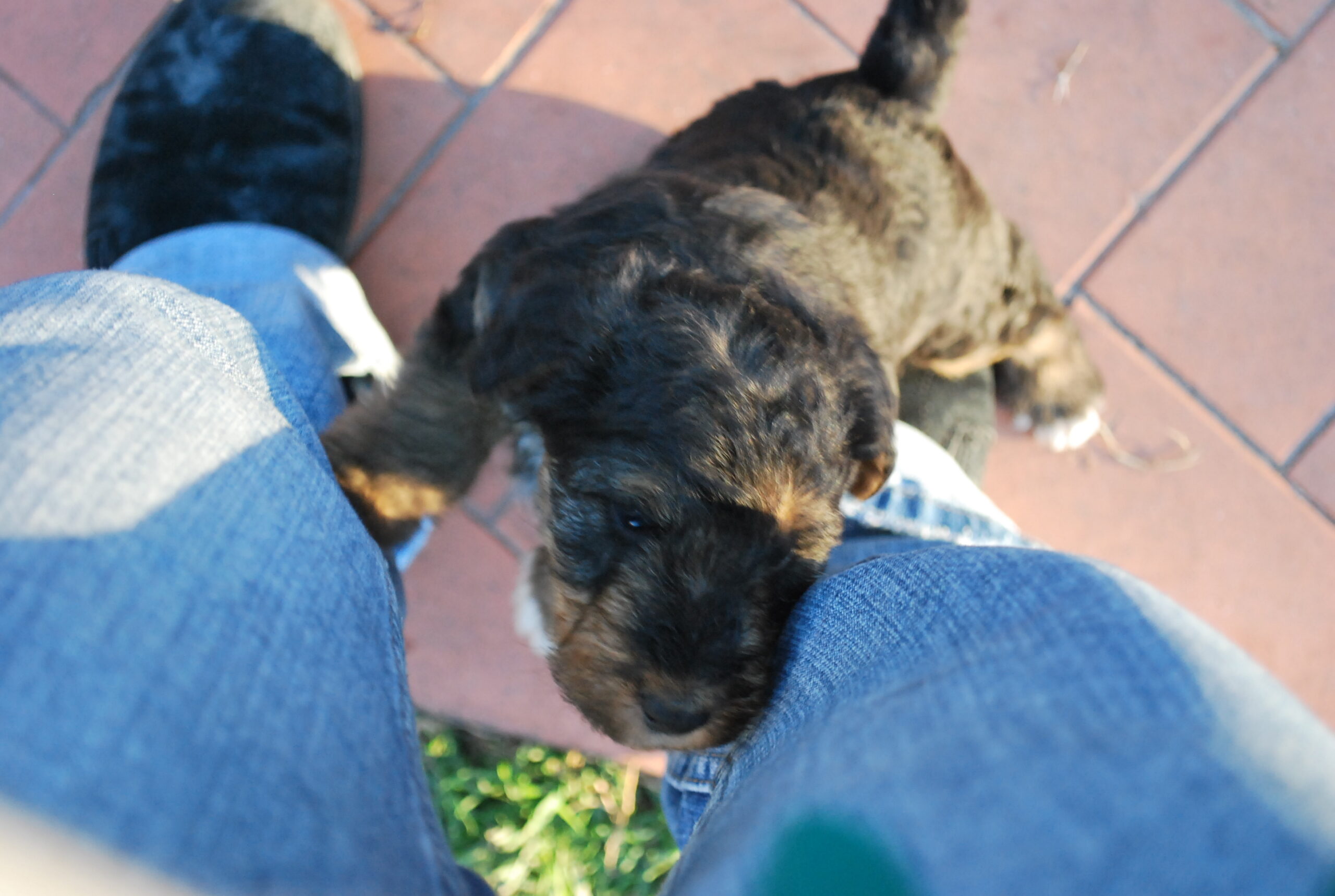
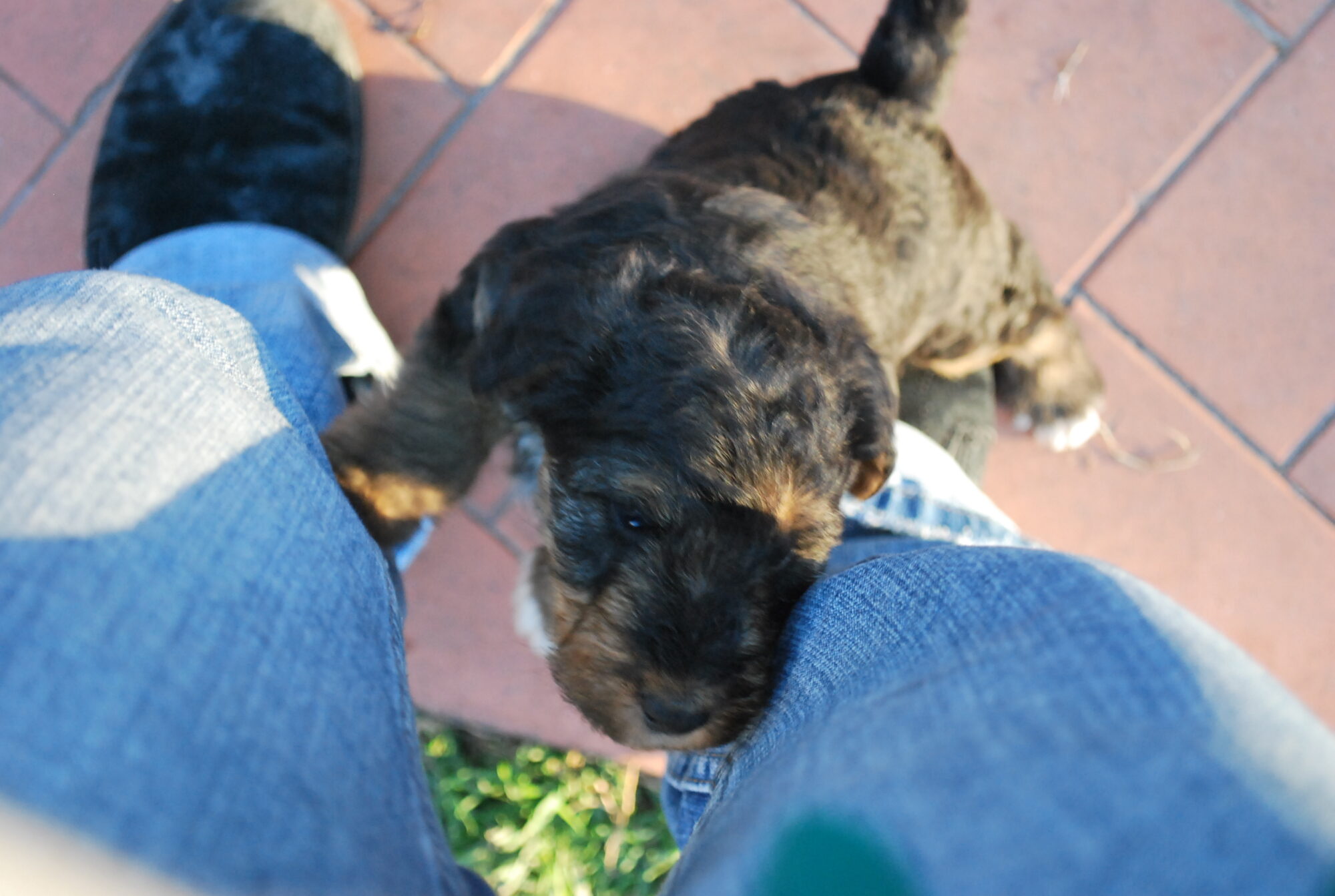
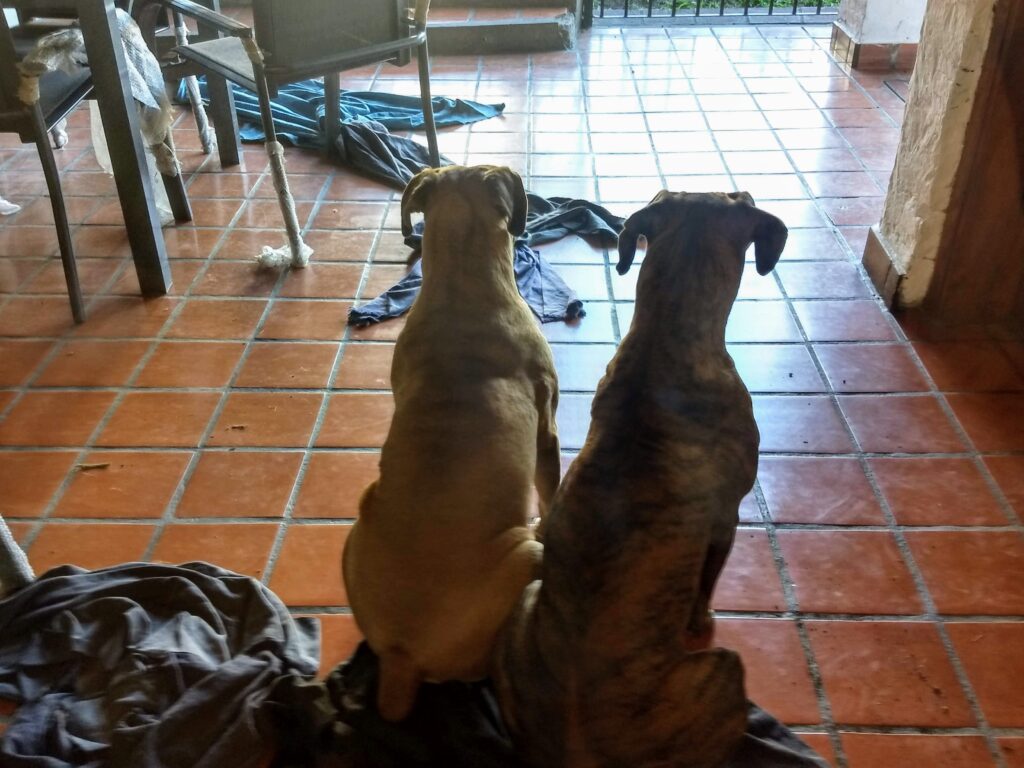
I heard this from a lady the other day while we were out and about with our dog. She seemed quite confident at first that our dog would happily walk up to her to sniff her — and perhaps even accept a pat or two. Instead, halfway through approaching, my dog turned around to sniff the ground. Maybe it was a displacement behaviour due to a build-up of stress or anxiety, or maybe the ground had a very interesting smell. I honestly don’t know.
What I did hear, though, was a “oh well, clearly she didn’t like me,” accompanied by a giggle that barely hid her disappointment. This got me thinking about the concept of “liking” and how this can be understood from a dog’s perspective. We need to keep in mind that the idea of like/dislike is human-made and can differ greatly from one individual to another. Now, for a second, imagine how different this concept might be when it comes to dogs.
Does a dog smelling you mean they like you? I would say no — mostly because, to this day, we still don’t quite understand why dogs choose to smell one person and avoid another. Perhaps a strong perfume draws a dog away from person X, while the lingering smell of a recently cooked meal brings a dog closer to person Y. But we don’t actually know this to be true.
If a dog chooses to walk away midway to sniff something else, this says nothing about the person’s qualities, but rather reflects the dog’s preferences and choices in that moment. One thing we know for certain about dogs — as with humans — is that we can all have off days, and we can all change our minds in a split second.
There is increasing evidence that dogs’ minds are remarkable, with flexible memory systems and the ability to form concepts. These processes may not look like human cognition, but they don’t appear to be any less complex or meaningful. What are some of your misconceptions when it comes to dogs and why they do things?